

Why Your Website Should Be Built to Perform, Not Just to Impress
Your website is your business’s digital headquarters – make sure it’s built to perform, not just to impress.
You wouldn’t hire an accountant without understanding what services your business needs to flourish and run profitably, would you? The same principle applies when you’re choosing a website developer. Yet so many businesses approach website projects with a “make it look nice” mentality, missing the crucial foundation that makes a site actually work for their business.
I might not be an accountant, but I know enough to understand what I need from one to keep my business running smoothly. Similarly, you don’t need to become a web developer – but you absolutely need to understand what separates a website that performs from one that simply looks good.
The invisible elements that make websites work:
- Search engine optimisation foundations are built into every page
- Mobile responsiveness that actually functions (not just looks right)
- Page speed optimisation for better user experience
- Proper site architecture that helps both users and search engines navigate
- Security measures that protect your business and your customers
- Analytics setup that tracks meaningful business metrics
- Integration with your existing business tools
You don’t need to know how to implement alt text or write meta descriptions, but you do need to know that your developer is including them as standard.

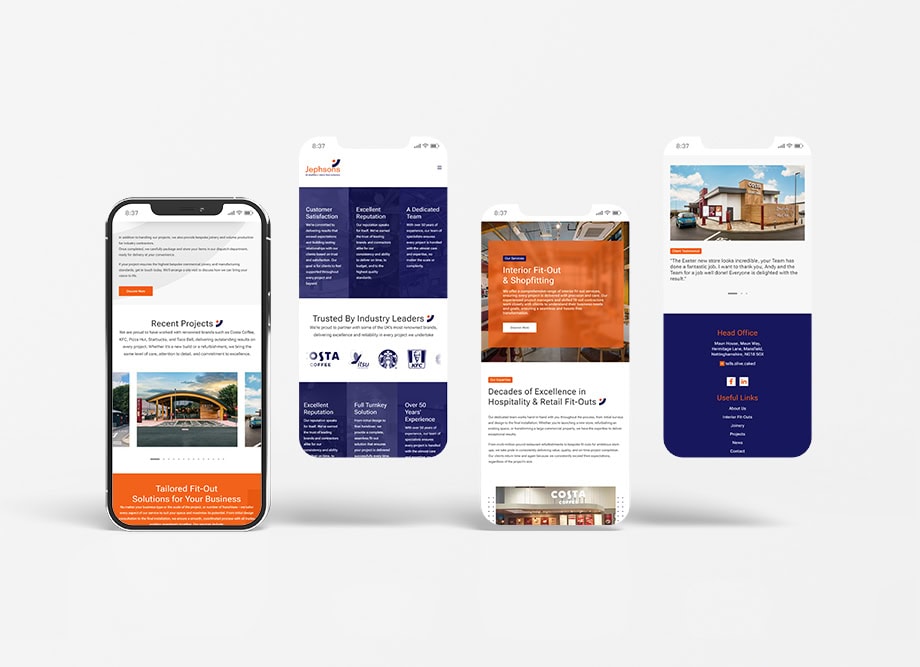

Beyond the Pretty Picture: What Really Matters
Here’s the truth that many businesses discover too late: not all website developers offer the same level of service. While anyone can design something that looks attractive on the surface, the real value lies in the details you can’t see.
Think of it like a car – you might be drawn to a vehicle because it looks stunning in the showroom, but what really matters is what’s happening under the bonnet. The engine, the transmission, the braking system – those unseen elements determine whether it reliably gets you from A to B, or leaves you stranded on the hard shoulder.
Your website works the same way. The design might catch your visitor’s eye, but it’s the technical foundation that determines whether they stay, engage, and ultimately become customers.
The Hidden Elements That Drive Success
When we take on new marketing retainer clients, one of the first things we do is audit their existing website. And honestly? It’s often disappointing to see how many businesses have spent thousands on sites that are fundamentally incomplete.
These aren’t bad businesses or careless owners – they’re smart people who simply didn’t know what questions to ask. They trusted their developer to handle “the technical stuff” and ended up with a beautiful website that doesn’t perform as expected.
The Real Costof Incomplete Websites
The frustration is real when you’ve invested thousands of pounds in a website that doesn’t deliver. You might find yourself wondering why your impressive new site isn’t generating the leads you expected, or why potential customers seem to leave as soon as they arrive.
Often, the issue isn’t with your business – it’s with the foundation your website was built on. When essential elements are missing or poorly implemented, even the most stunning design won’t convert visitors into customers.
Common signs of an incomplete website:
- Beautiful design, but poor search rankings
- High bounce rates despite attractive visuals
- Slow loading times that frustrate visitors
- Difficulty updating content or adding new features
- Poor performance on mobile devices
- No clear conversion paths for visitors
- Missing integration with business tools

The Right Questionsto Ask Your Website Developer
Here are the essential questions to ask when you’re onboarding your next website developer. They’re not designed to catch anyone out – they’re to ensure you both understand what a complete website should include.
SEO and Search Performance
- How do you ensure the website is optimised for search engines from day one?
- What SEO elements are included in your standard service?
- How will you handle page titles, meta descriptions, and alt text?
Technical Performance
- What measures do you take to ensure fast loading times?
- How do you make sure the website works properly on all devices?
- What security measures are included?
Content Management
- How easy will it be for our team to update content after launch?
- What training or support do you provide?
- Can we easily add new pages or features later on?
Integration and Functionality
- How will the website integrate with our existing tools or systems?
- What e-commerce capabilities are available if we need them?
- How will we track performance and visitor behaviour?
Ongoing Support
- What happens after the website launches – what support is included?
- How do you handle maintenance and updates?
- What’s the process if we need changes down the line?
Project Management
- What’s your typical timeline for a project like ours?
- How do you handle feedback and revisions?
- What do you need from us to keep the project on track?
Understanding Value vs. Cost
The cheapest developer isn’t always the best investment. When you compare quotes, you’re not just comparing prices – you’re comparing the completeness of the service. A developer who includes SEO setup, mobile optimisation, security measures and ongoing support might charge more upfront, but they’ll save you far more in the long run than someone who just focuses on design.
A comprehensive web development service includes:
- Strategic planning to understand your business goals
- User experience design that guides visitors towards conversion
- Technical SEO built from the ground up
- Mobile-first responsive design
- Performance optimisation for speed and reliability
- Security appropriate to your business type
- Analytics and tracking setup
- CMS training for your team
- Launch support and initial maintenance
Red Flags to Watch For
While it’s good to stay positive, it’s worth being alert to warning signs that a developer might prioritise looks over function:
- Dismisses SEO as “something to add later”
- No mention of mobile optimisation or responsive design
- Unclear about ongoing support or maintenance
- Talks only about visuals, not functionality
- Can’t explain how they’ll measure success
- Avoids discussing page speed or performance
Building a Partnership, Not Just Hiring a Service
The best website developers are partners in your success. They take time to understand your business, your audience, and how the website fits into your wider strategy.
Signs of a good development partner:
- They ask detailed questions about your business and customers
- They explain technical concepts in plain English
- They’re proactive with ideas and improvements
- They communicate clearly and keep you informed
- They’re available for questions and support post-launch
Your Website Investment Strategy
Think of your website as a long-term investment, not a one-off cost. The right developer will build a solid foundation that grows with your business – making it easy to evolve, optimise, and adapt.
Ask yourself:
- Does this developer understand my goals?
- Are they building something that will work long-term?
- Do I trust them to support me after launch?
- Are they including all the essentials for a complete website?
Moving Forward with Confidence
You don’t need to be a web expert – but you do need to be an informed buyer. By asking the right questions and understanding what makes a website truly effective, you’ll make a smarter investment that supports your business for years to come.
Your website is often the first impression a potential customer has of your business. Make sure it’s built not just to look professional, but to perform professionally too.
The right developer will welcome your questions and be keen to show how they’re setting your site up for success. If someone seems frustrated by your interest in understanding the process, they might not be the right fit.
Your website should work as hard for your business as you do. Make sure you’re investing in one that’s built to deliver results – not just compliments.
Ready to ensure your website is built for success?
The foundation of effective web development starts with understanding what your business needs and choosing a developer who delivers complete solutions – not just pretty designs.